Why Your Small Business Really Needs a Website in 2026
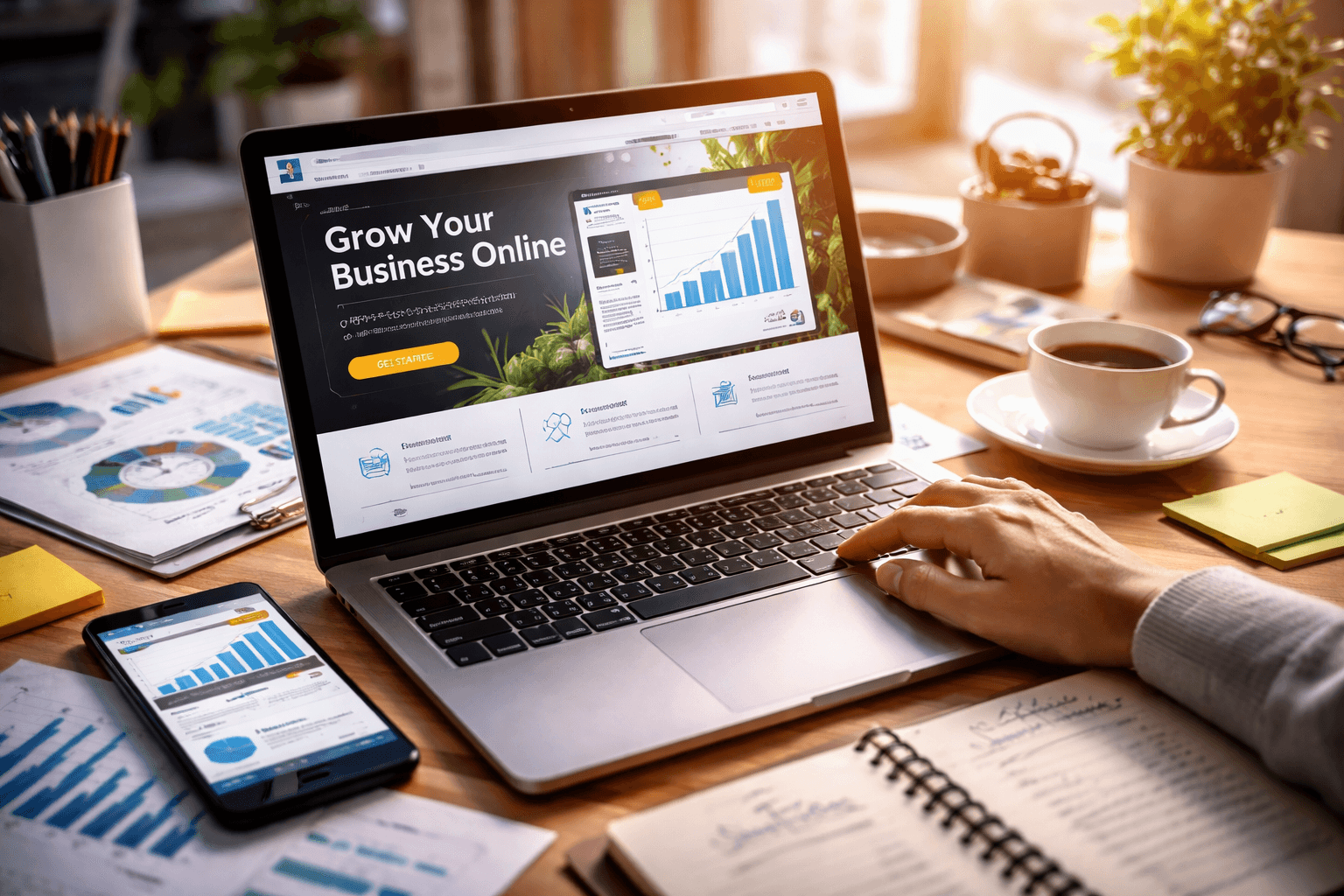
In today's digital landscape, your website is often the first touchpoint customers have with your brand. For small businesses, investing in a modern, conversion-focused website is no longer optional—it's essential for survival and growth. Here are 7 compelling reasons why your own website is an irreplaceable business asset:
1. Complete Ownership and Control Over Your Content
Your website is your \"digital headquarters\" that you fully own and control. Unlike social media platforms like Facebook, where you're building on \"rented land,\" no platform can change the rules or delete your account without warning. You decide the design, messaging, and how your data is used.
2. Enhanced Professional Credibility and Trust
Research shows that 75% of users judge a company's credibility based solely on its website design. A professionally crafted site elevates your brand perception and makes you appear more trustworthy to potential customers. Lacking a website or having an outdated one can lead to lost trust and customers to competitors.
3. Effective Customer Acquisition Through Search Engines (SEO)
Search engines like Google generate four times more leads compared to social media. Statistics show that approximately 40% of inquiries come from search, while only 10% come from social networks. Without a website, your business remains invisible to the vast majority of people actively searching for your services online.
4. Your 24/7 Sales Representative
Your website works for you around the clock, without requiring constant updates or posts to stay relevant. It's accessible anytime to visitors, without requiring platform login, and provides all necessary information about your products and services, even while you're sleeping.
5. Mobile Accessibility and Local Presence
Over 80% of users browse on mobile devices, often searching for services \"near me.\" Google uses mobile-first indexing, meaning if your site is optimized for smartphones (responsive design), you have a much better chance of appearing in local search results.
6. Conversion-Focused Design and Real Results
Your website isn't just an online brochure—it's a business engine designed to convert visitors into paying customers. Through clear calls-to-action (CTAs), inquiry forms, and strategic information placement, you guide users directly toward purchase or contact.
7. Central Hub for All Marketing Efforts
Your website serves as the central hub for all your activities—from email marketing to social media advertising. The right strategy is to use social networks like Facebook to attract attention, then direct traffic to your site where the actual sale happens.
Conclusion
In 2026, users expect fast, secure, and visually compelling digital experiences. If you want your small business to grow, your own website is the most stable investment you can make for your long-term market presence.